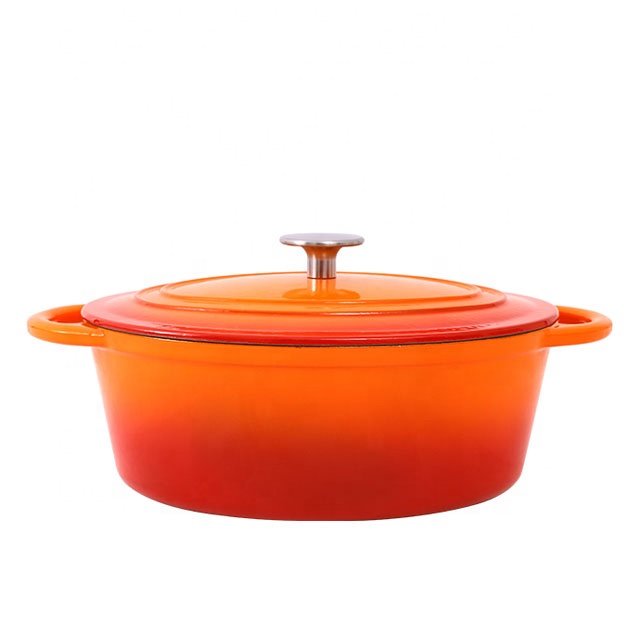

Professional Cast Iron Cookware for Norway
Explore our specialized range of durable cookware tailored for both residential and commercial culinary environments.
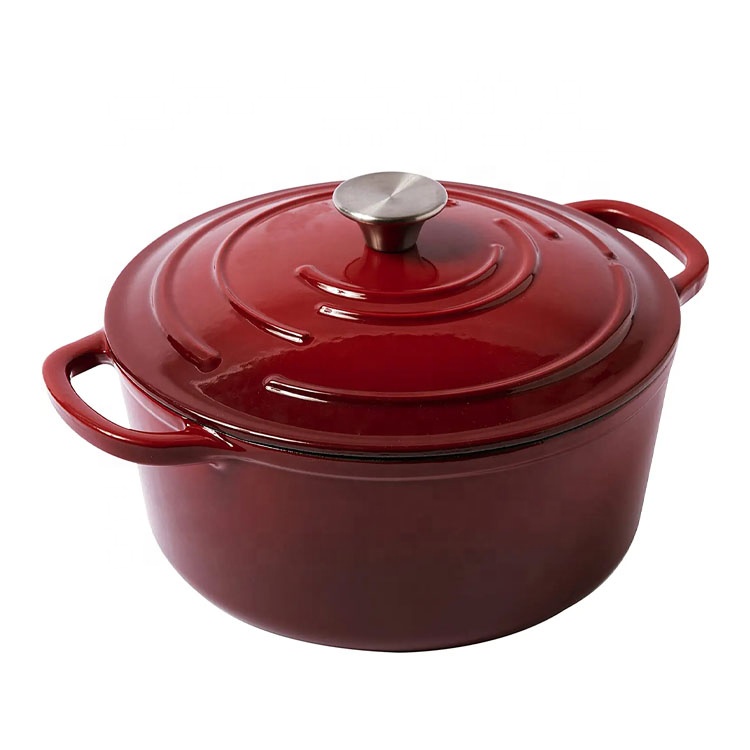
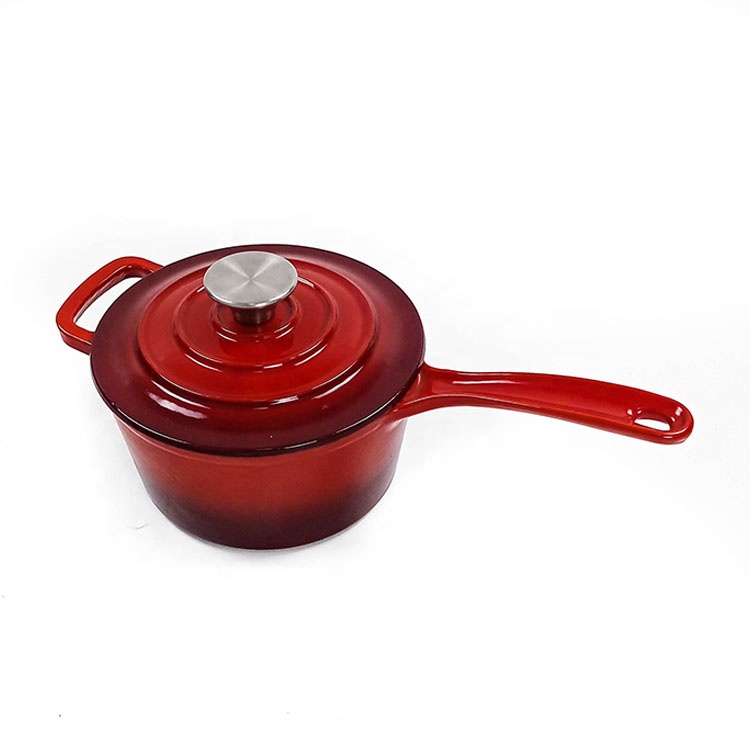
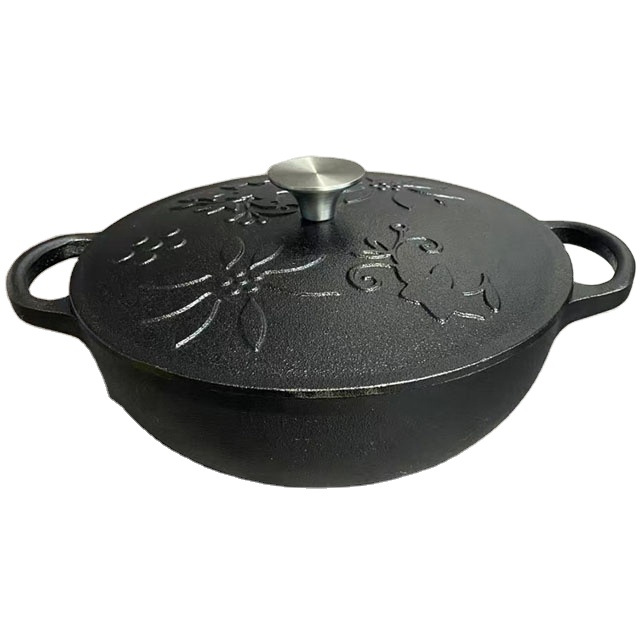
Amazon solution kitchen cookware enamel soup & stock pot cast iron casserole dish with lid
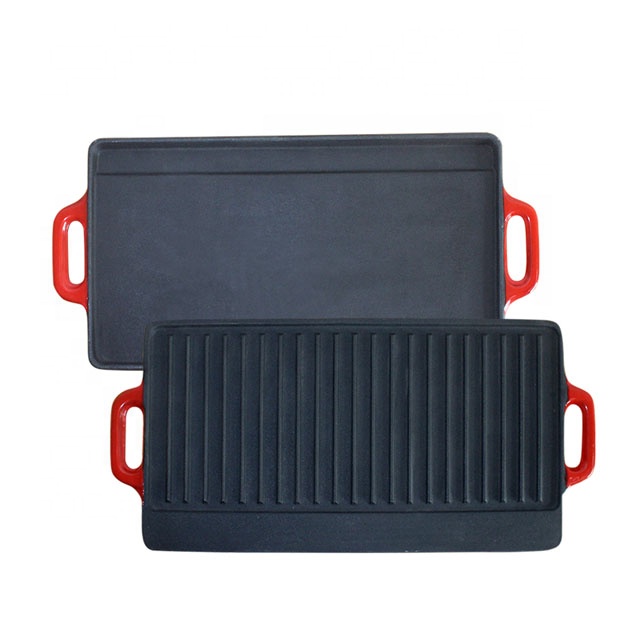
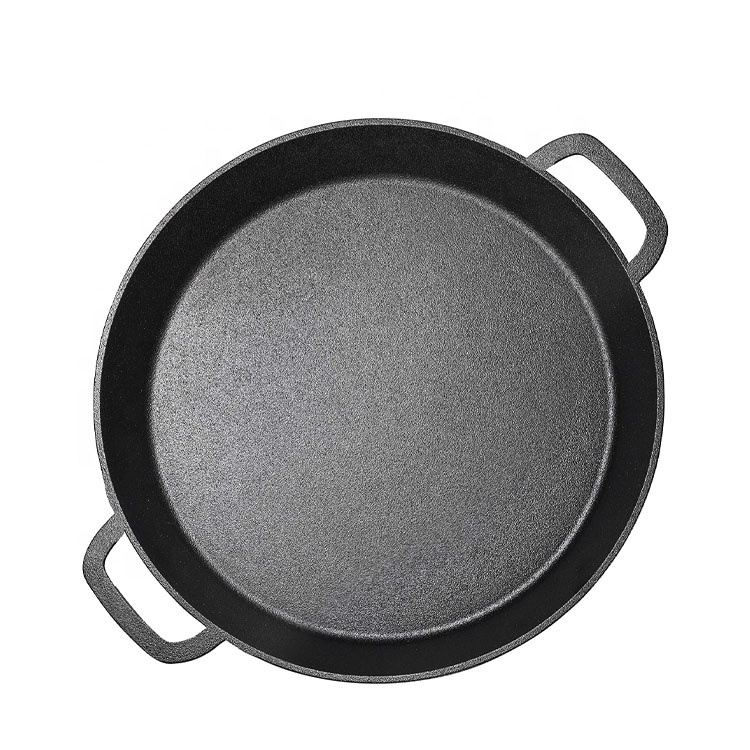
CAST IRON REVERSIBLE GRILL AND GRIDDLE RECTANGLE GRIDDLE12.6x8 INCH
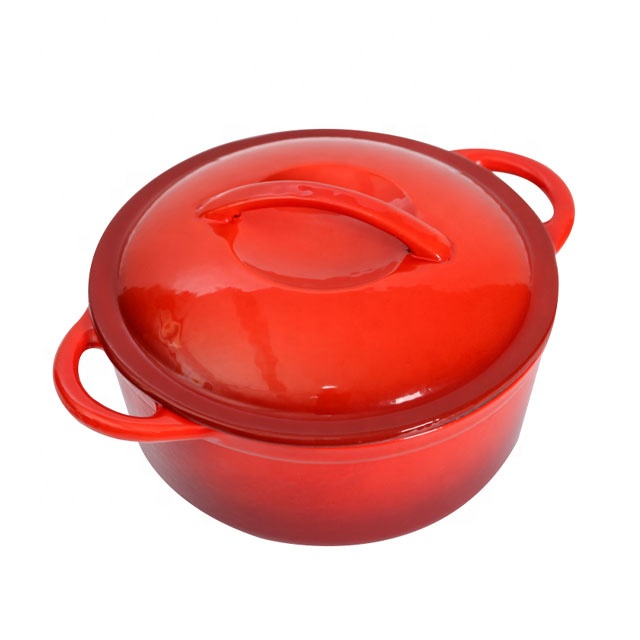
Enameled Cast Iron Dutch Oven Enamel Coated Cast-Iron Baking Pots Round Dutch Oven Casserole with Lid
Market Insights
Analyzing the Demand for Traditional Cookware in Norway
The intersection of Nordic culinary heritage and modern sustainable kitchen requirements.
In the Norwegian market, there is a significant shift toward sustainable, long-lasting kitchenware. Consumers are increasingly moving away from disposable non-stick coatings in favor of materials that offer lifelong utility. This has led to a resurgence in the popularity of the cast iron pot set, which aligns with the regional preference for slow-cooking and hearty winter stews.
Furthermore, the professional hospitality sector in Norway demands equipment that can withstand rigorous daily use while maintaining precise thermal control. The integration of enamel pots and pans has become essential for chefs who require the heat retention of iron combined with the non-reactive properties of enamel for acidic ingredients.
For procurement managers in Oslo and Bergen, the priority is finding a balance between authentic craftsmanship and modern manufacturing safety. The demand is not just for a product, but for a reliable supply chain that can deliver consistent quality, ensuring that every iron pan set meets strict European safety and durability standards.
Industry Evolution
The Trajectory of Cast Iron Manufacturing
From traditional foundries to precision-engineered cookware.
Traditional Era
Heritage Casting
Reliance on manual sand casting and basic seasoning, focusing on raw robustness for domestic use.
Technical Shift
Process Optimization
Introduction of shot blasting and controlled pre-seasoning to enhance surface smoothness and longevity.
Modern Stage
Precision Engineering
Implementation of advanced R&D and quality control systems to meet global safety and aesthetic standards.
01
Eco-Conscious Materials
Increasing demand for PFAS-free and sustainable cookware, driving the shift toward natural iron surfaces.
02
Hybrid Functionality
The rise of versatile pieces that transition seamlessly from oven to stovetop to tabletop.
03
Enamel Integration
Growing preference for vitreous enamel coatings to reduce maintenance while retaining heat efficiency.
Future Outlook
Strategic Innovations in Cookware
Anticipating the next generation of culinary tools.
01
Thermal Precision
Advanced alloys to minimize hotspots and ensure perfectly even heat distribution across the base.
02
Surface Engineering
Enhanced polishing and seasoning techniques to create naturally non-stick surfaces without chemicals.
03
Modular Design
Sets designed with interlocking lids and stackable geometries for efficient Nordic kitchen storage.
04
Sustainable Logistics
Implementing eco-friendly packaging and optimized shipping to reduce the carbon footprint in Europe.
The evolution of cookware is no longer just about the material, but about how that material interacts with modern energy sources, such as induction hobs which are prevalent in Norwegian homes. The focus is shifting toward maximizing energy efficiency through optimized base thickness.
For buyers, the decision-making process now includes a lifecycle analysis. Investing in a high-quality iron skillet set is seen as a financial and environmental decision, reducing the need for frequent replacements.
Application Scenarios
Real-World Applications in Nordic Environments
Practical use cases for cast iron in diverse settings.
01
Traditional Nordic Slow-Cooking
Utilizing a heavy-duty pot for long-duration braising of root vegetables and meats, where the heat retention of cast iron ensures a consistent temperature during the cold winter months.
02
Professional Bistro Searing
High-end restaurants in Oslo using an cast iron frying pan set to achieve a perfect Maillard reaction on seafood, essential for authentic Nordic plating.
03
Outdoor Cabin Cooking
Implementing an iron pan set over open fire or wood stoves in traditional Norwegian 'hytte' (cabins), where robustness and heat versatility are critical.
04
Acidic Gourmet Preparation
Using enamel-coated surfaces for preparing berry-based sauces and vinegar-heavy reductions, preventing the metallic taste associated with raw iron while maintaining high heat.
05
Home Baker's Sourdough
Using heavy cast iron Dutch ovens to create a steam-sealed environment, essential for achieving the professional crust and rise required for artisan sourdough bread in home kitchens.
Our Legacy
Zhongdacook: A Tradition of Excellence
Decades of craftsmanship in every piece.
1993
Foundation of Craftsmanship
Baixiang County Zhongda Machinery Manufacturing Co., Ltd. was established, focusing on the development of high-quality cast iron solutions with a commitment to durability.
Growth Stage
Technological Integration
Expanded production capabilities by integrating advanced foundries and shot blasting technology, enhancing the precision and finish of the cookware line.
Global Expansion
International Market Leadership
Established Zhongdacook as a premier manufacturer serving both domestic and international markets, specializing in professional-grade skillets and Dutch ovens.
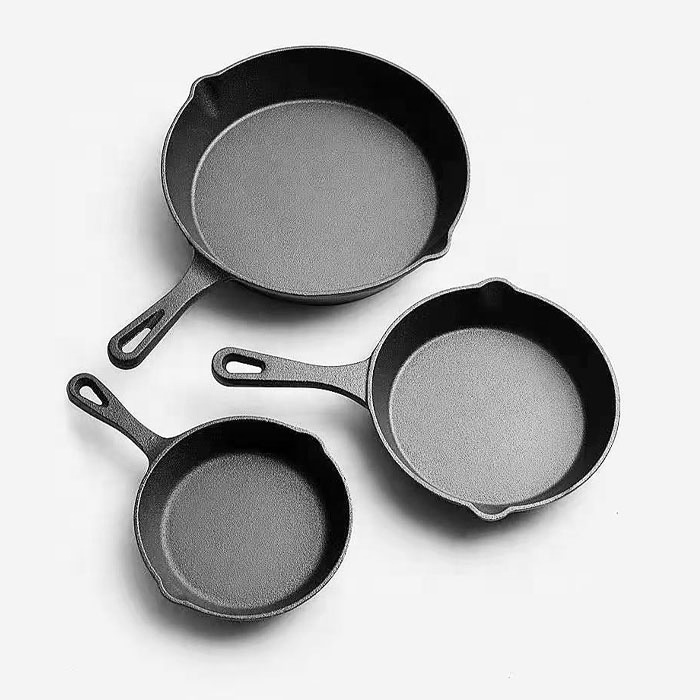
Customized Cookware Sets for Nordic Kitchens
Tailored combinations of cast iron tools designed for maximum efficiency and culinary versatility.
Knowledge Base
Common Inquiries Regarding Cast Iron Cookware
Expert answers to help you make the right choice.
Why is cast iron preferred for slow-cooking in cold climates like Norway?
Cast iron possesses superior thermal mass, meaning it retains heat much longer than aluminum or stainless steel. This prevents temperature drops when adding cold ingredients, which is essential for maintaining the steady simmer required for traditional Nordic stews.
What is the difference between raw cast iron and enamel pots and pans?
Raw cast iron requires seasoning to create a non-stick surface and is best for high-heat searing. Enamel coating provides a non-reactive surface that is easier to clean and allows for the cooking of acidic foods without damaging the pan or affecting the taste.
How do I ensure the longevity of my iron skillet set?
Proper maintenance involves avoiding harsh detergents, drying the pan immediately after washing to prevent rust, and applying a thin layer of oil occasionally to maintain the seasoning.
Can these cookware sets be used on induction hobs?
Yes, the magnetic properties of cast iron make it naturally compatible with induction cooktops, providing efficient energy transfer and rapid heating.
What should procurement teams verify when choosing a cast iron supplier?
Buyers should verify the manufacturing process, specifically the use of shot blasting for surface quality and the rigor of the quality control system to ensure each piece is free of casting defects and meets safety standards.
How does Zhongdacook ensure product safety for the European market?
Zhongdacook utilizes a perfect quality control system and rigorous assurance protocols to ensure that all materials and coatings are safe, durable, and compliant with global standards for food-contact materials.
Partnership Opportunity
Secure High-Quality Cookware for Your Business
Whether you are equipping a professional kitchen or stocking a retail chain in Europe - Norway, our team is ready to provide the precision and durability your clients demand.
Discuss Your Requirements