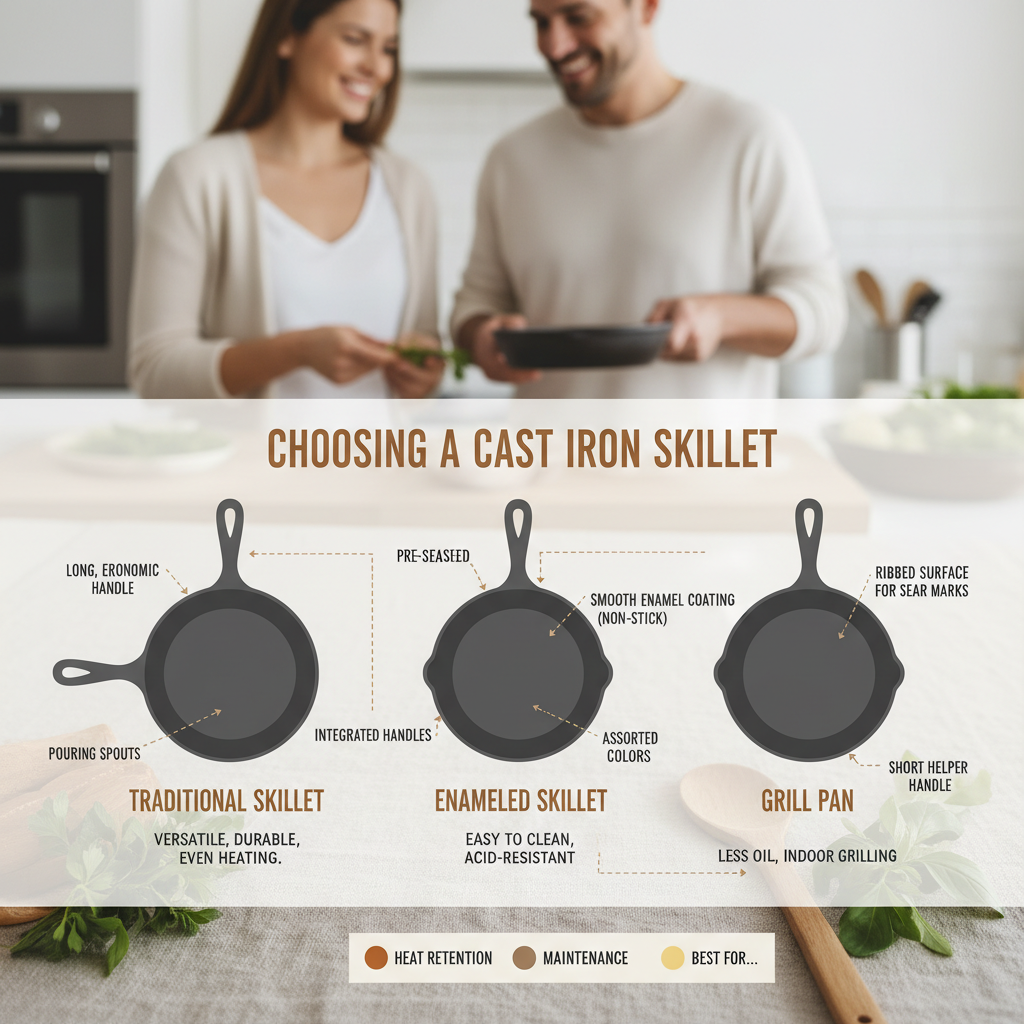
Discount dutch ovens represent an accessible entry point for home cooks and professional chefs seeking the legendary heat retention and durability of cast iron without the premium brand markup. These versatile vessels, typically crafted from heavy-duty cast iron and often finished with enamel, allow for seamless transitions from stovetop searing to oven braising, making them indispensable for slow-cooked stews and artisanal breads.
For many procurement managers and kitchen enthusiasts, the challenge lies in balancing cost-efficiency with structural integrity. Low-cost options can sometimes compromise on enamel thickness or lid seal quality, which directly affects moisture retention and energy efficiency during long cooking cycles. Understanding the technical specifications of cast iron manufacturing is key to identifying true value over mere cheapness.
This comprehensive guide analyzes the selection criteria for affordable dutch ovens, exploring the differences between enameled and raw cast iron, procurement strategies for bulk orders, and how to evaluate manufacturing quality to ensure a lifetime of culinary performance. By the end of this analysis, readers will be equipped to source high-performance cookware that optimizes both budget and kitchen output.

1Understanding the Value of Cast Iron Construction

The core value of discount dutch ovens lies in the inherent properties of cast iron, a material prized for its high thermal mass. Unlike thinner aluminum or stainless steel, cast iron absorbs heat slowly but retains it with exceptional consistency, preventing the "hot spots" that often lead to scorched food. This makes it the ideal medium for braising, where a steady, low temperature is required over several hours.
When sourcing affordable options, it is essential to look at the casting process. Quality manufacturers utilize advanced foundries to minimize porosity in the metal, which prevents structural weaknesses and ensures that the pot can withstand the thermal shock of moving from a cold environment to a high-heat stove.
Furthermore, the weight of the vessel is a primary indicator of quality. A heavier wall thickness typically correlates with better heat retention and a lower likelihood of warping over time, providing a professional-grade experience at a reduced price point.
2Key Features of High-Performance Dutch Ovens
A truly effective dutch oven is defined by more than just its material; the design of the lid and the quality of the surface finish are paramount. A tight-fitting lid is crucial for creating a sealed environment that traps steam and moisture, which is the fundamental mechanism behind tenderizing tough cuts of meat during the braising process.
The enamel finish serves two purposes: it provides a non-reactive surface that doesn't impart a metallic taste to acidic foods (like tomato sauces) and it simplifies the cleaning process. High-quality enamel should be fused to the iron at extreme temperatures to prevent chipping or peeling under heavy use.
Additionally, the handle design should prioritize stability and heat resistance. Integrated cast-iron handles provide a secure grip for transporting heavy pots from the oven, although the use of oven mitts is mandatory due to the material's high heat conductivity.
3Practical Applications in Modern Kitchens
The versatility of discount dutch ovens allows them to function as a skillet, a stockpot, and a baking dish all in one. From sautéing aromatics to simmering deep stocks, the wide base and high walls make them suitable for almost every liquid-based cooking method. Professional chefs often use them for "one-pot" meals to reduce cleanup and concentrate flavors.
Beyond the stovetop, these vessels are renowned for baking sourdough and artisanal breads. The heavy lid mimics the environment of a professional steam oven, trapping the moisture released by the dough to create a crispy, golden-brown crust and an open crumb structure.
In commercial settings, the ability to move a pot directly from a high-heat sear on a burner to a low-temperature roast in the oven streamlines the workflow, making the dutch oven a centerpiece of efficient kitchen management.
4Evaluating Performance and Heat Distribution
Measuring the performance of cast iron involves analyzing how the vessel manages energy. Because cast iron has a higher specific heat capacity than most metals, it requires more time to preheat but maintains a stable temperature regardless of the ingredients added to the pot. This stability is the primary reason for its preference in slow-cooking applications.
When comparing discount models to premium brands, the primary difference is often found in the uniformity of the wall thickness. Inconsistent thickness can lead to localized overheating, though high-quality manufacturing processes, such as those used by Zhongdacook, mitigate this through precise mould design and shot blasting.
discount dutch ovens Performance Metrics
The data suggests that while discount options may have slightly longer preheating times, their ability to retain heat during the cooking phase often rivals that of luxury brands, provided the material density is maintained. This makes them an economically sound investment for those prioritizing results over brand prestige.
5Procurement Guide for Bulk Cookware Sourcing
For businesses sourcing in volume, understanding the Lead Time and Minimum Order Quantity (MOQ) is critical. For instance, customized enamel colors or specific sizes often require an MOQ of 500 pieces. Establishing a clear timeline for mould making (typically 7-10 days) and sample approval (3-10 days) ensures that the production cycle aligns with market demand.
Quality assurance during procurement should focus on the "Perfect Quality Control System," encompassing raw material inspection, shot blasting for surface smoothness, and pre-seasoning for raw iron. These steps prevent defects such as pitting or uneven enamel application that could lead to product failure.
Payment and delivery logistics also play a role in the total cost of ownership. Utilizing flexible payment terms like T/T or L/C, and ensuring a secure packing process—where each item is bagged and boxed individually before being placed in a master carton—minimizes shipping damage and reduces replacement costs.
6Maintenance and Longevity Considerations
The longevity of a dutch oven depends entirely on the care provided. Enameled cast iron is significantly easier to maintain, as it does not require the chemical bonding of fats (seasoning) to create a non-stick surface. However, it is susceptible to thermal shock; placing a piping hot pot into cold water can cause the enamel to crack or "craze."
Raw cast iron, while more rugged, requires diligent seasoning. This involves applying a thin layer of oil and heating it until the oil polymerizes, creating a natural, protective barrier. Without this, the iron will rust quickly when exposed to moisture, making it unsuitable for those who prefer low-maintenance cookware.
Regardless of the finish, avoiding high-heat "dry firing" (heating the pot without oil or food) is essential to prevent warping the base of the vessel. Proper storage in a dry environment ensures that the cookware remains functional for decades, often becoming a multi-generational kitchen heirloom.
7Selection Matrix: Enameled vs. Raw Cast Iron
Choosing between enameled and raw cast iron depends on the intended use case and the user's willingness to perform maintenance. Enameled pots are the gold standard for acidic foods and slow-simmering stews, whereas raw iron is the choice for high-heat searing and outdoor camping environments.
The following table provides a decision-making framework based on key performance indicators, helping buyers determine which version of the discount dutch oven best fits their specific requirements.
| Feature | Enameled Cast Iron | Raw Cast Iron | Selection Driver |
|---|---|---|---|
| Maintenance | Low (Soap & Water) | High (Seasoning) | Ease of Use |
| Reactivity | Non-Reactive | Reactive to Acid | Food Type |
| Heat Limit | Medium to High | Very High | Cooking Method |
| Durability | High (but brittle) | Extreme (rugged) | Environment |
| Price Point | Moderate | Economical | Budget |
| Best Use | Braising/Baking | Searing/Camping | Application |
Ultimately, the decision rests on the trade-off between convenience and versatility. For the modern home kitchen, enameled options provide the best balance of performance and ease, while raw iron remains the tool of choice for the purist and the adventurer.
Frequently Asked Questions
Conclusion
Sourcing discount dutch ovens does not require a compromise in culinary performance if the buyer understands the technical fundamentals of cast iron manufacturing. By prioritizing wall thickness, lid seal integrity, and the quality of the enamel finish, procurement teams and home cooks can acquire professional-grade tools that offer exceptional heat retention and lifetime durability.
Whether you are scaling a product line for retail or upgrading a commercial kitchen, the key is to balance cost with material specifications. For those evaluating high-performance, affordable cast iron solutions, detailed product specifications and customized options can be reviewed at www.zdcastiron.com.