

Professional Cast Iron Solutions for Ethiopia
High-performance cookware designed to withstand intense heat and deliver consistent results in any kitchen environment.

PRE-SEASONED DUTCH OVEN CAST IRON CAMPING COOKING SET WITH WOODEN CASE

CAST IRON MINI SERVER RECTANGLE PAN
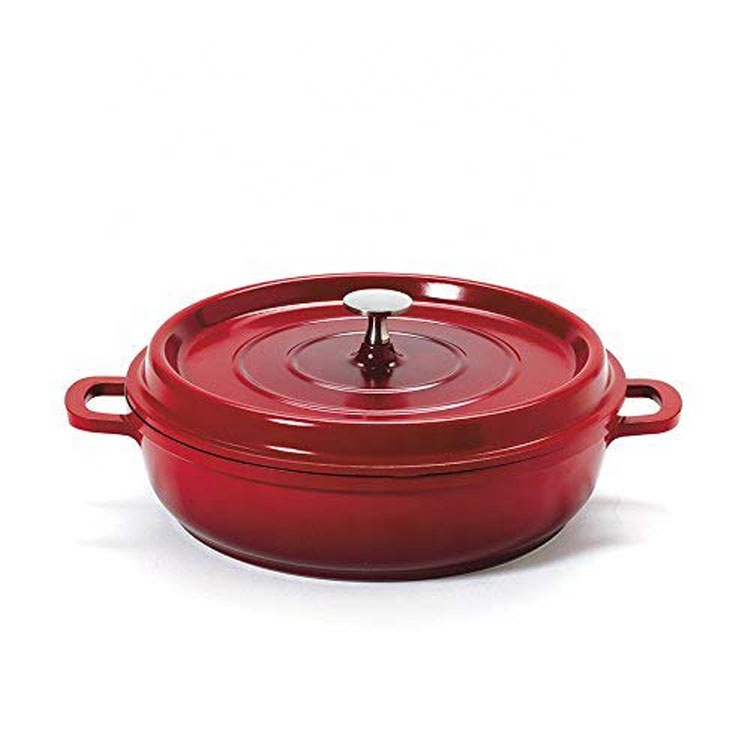
Cast Iron Enameled Casserole Dutch Oven Round Enamel Cast-Iron Cocotte
REGION ANALYSIS
Meeting the Demands of Ethiopian Culinary Environments
Balancing traditional cooking methods with modern industrial durability.
In Ethiopia, the culinary landscape is characterized by a deep respect for slow-cooking and heat-intensive processes. From preparing traditional stews to searing meats, there is a growing demand for cookware that can distribute heat evenly and maintain stable temperatures over long periods. This makes a high-quality cast iron pot set an essential asset for both domestic households and the expanding hospitality sector in cities like Addis Ababa.
The local market is shifting toward products that offer a balance between traditional robustness and modern convenience. Many commercial kitchens are now seeking enamel pots and pans to combine the heat retention of iron with the ease of cleaning and non-reactive properties of enamel, ensuring food safety and longevity in high-volume environments.
For procurement managers in Ethiopia, this means prioritizing materials that resist warping and corrosion. Selecting a supplier capable of providing a versatile iron pan set ensures that kitchens can handle everything from high-temperature frying to slow simmering without needing frequent replacements.
INDUSTRY EVOLUTION
The Progression of Cast Iron Technology
From traditional foundries to precision engineering.
Traditional Era
Foundry Basics
Focus on raw durability and basic casting shapes for heavy-duty communal cooking.
Modernization
Precision Finishing
Integration of shot blasting and pre-seasoning to improve surface texture and non-stick properties.
Current Stage
Advanced Materialism
Combination of traditional casting with eco-friendly coatings and precision heat-distribution designs.
01
Eco-Friendly Seasoning
A shift toward sustainable, non-toxic pre-seasoning processes to meet global health and safety standards.
02
Multi-Functional Versatility
Demand for sets that transition seamlessly from stove-top to oven, reducing the need for multiple specialized tools.
03
Enamel Integration
Increasing adoption of enameled surfaces for acid-based cooking and easier maintenance in commercial settings.
FUTURE PROJECTIONS
The Future of Industrial Cookware
Adapting to the next generation of culinary needs.
01
Thermal Efficiency
New alloy blends to improve heat distribution and reduce energy consumption during cooking.
02
Weight Optimization
Engineering thinner yet stronger walls to reduce weight without compromising heat retention.
03
Sustainable Sourcing
Implementing circular economy principles in the foundry process to minimize environmental impact.
As the Ethiopian food service industry grows, there is a clear trend toward standardization of equipment. Professional kitchens are moving away from fragmented toolsets toward unified, high-durability systems that ensure consistent food quality across multiple branches or outlets.
Buyers should focus on the synergy between material quality and operational efficiency. Investing in equipment that resists thermal shock and simplifies the cleaning cycle will directly impact the long-term profitability of commercial culinary operations.
PRACTICAL APPLICATIONS
Deployment Scenarios in Ethiopia
Real-world utility across different culinary sectors.
01
Urban Hotel Kitchens
In Addis Ababa's hotels, high-volume breakfast and dinner services require a cast iron frying pan set that can handle constant high heat without warping, ensuring consistent searing for international guests.
02
Traditional Stew Preparation
For slow-cooked Ethiopian dishes, a heavy-duty cast iron pot ensures the heat is distributed evenly, preventing burnt bottoms and allowing flavors to develop deeply over several hours.
03
Boutique Cafes and Bistros
Establishments focusing on "farm-to-table" concepts utilize enameled cookware to maintain the vibrant colors of fresh vegetables while benefiting from superior heat retention.
04
Rural Community Catering
In areas where fuel efficiency is critical, the high thermal mass of iron cookware means less fuel is needed to keep food warm during large community gatherings.
05
Culinary Training Centers
Vocational schools use professional iron sets to teach students the fundamentals of temperature control and the importance of seasoning and maintaining professional cookware.
OUR HERITAGE
Zhongdacook: A Legacy of Craftsmanship
Decades of expertise in iron foundry and cookware design.
1993
Founding and Early Development
Baixiang County Zhongda Machinery Manufacturing Co., Ltd. was established as a development-oriented enterprise, focusing on the core principles of professional craftsmanship in cast iron.
Growth Phase
Technological Advancement
Zhongdacook expanded its capabilities by integrating advanced foundry technology with traditional methods, ensuring the authenticity and robustness of every piece produced.
Modern Era
Global Quality Standards
Development of a rigorous quality control system and a strong R&D team, allowing the brand to serve both domestic and international markets with high-end, durable cookware.
Durable Cookware for Commercial Success
Explore our comprehensive range of cast iron tools designed for efficiency and longevity.
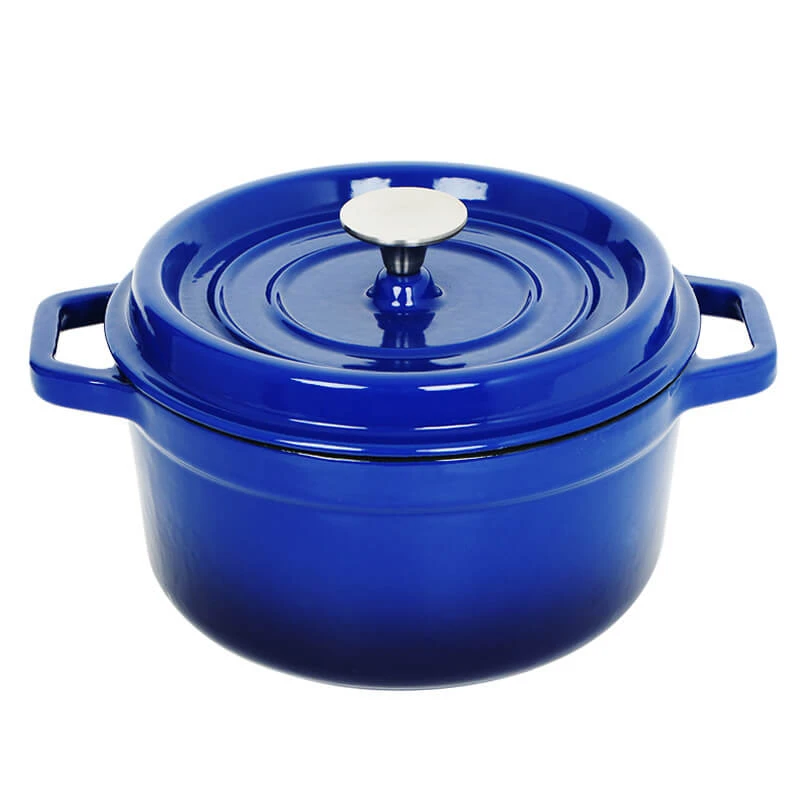
ENAMELED CAST IRON DUTCH OVEN POT (7.87" / 20 CM DIAMETER) CASSEROLE DISH - ROUND BLUE

Wholesale 2022 High Quality Oval Cast Iron Enamel Casserole Pot Set Oval Casseroles Dutch Oven
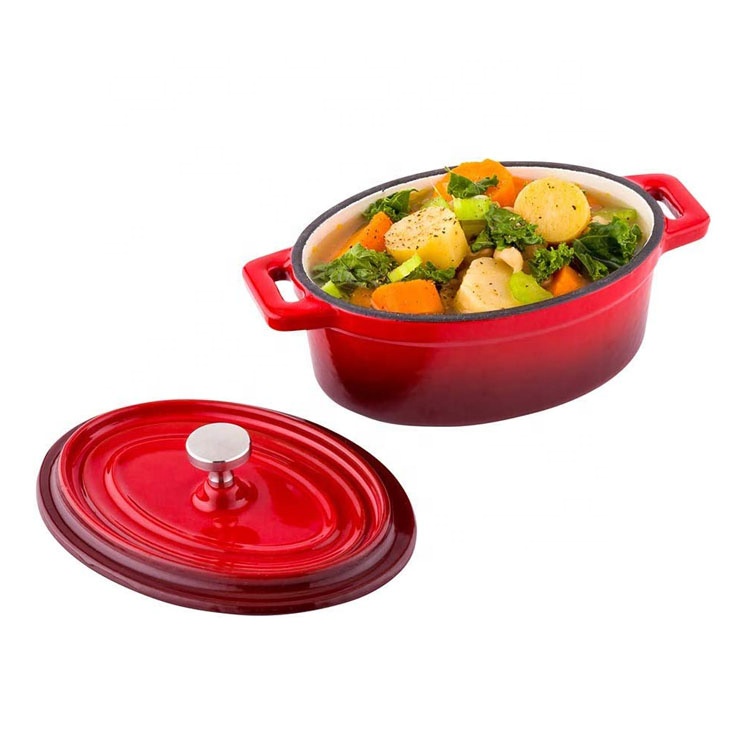
Colorful Enamel Casserole Mini Oval Cocotte Cast Iron Mini Serve Cocotte
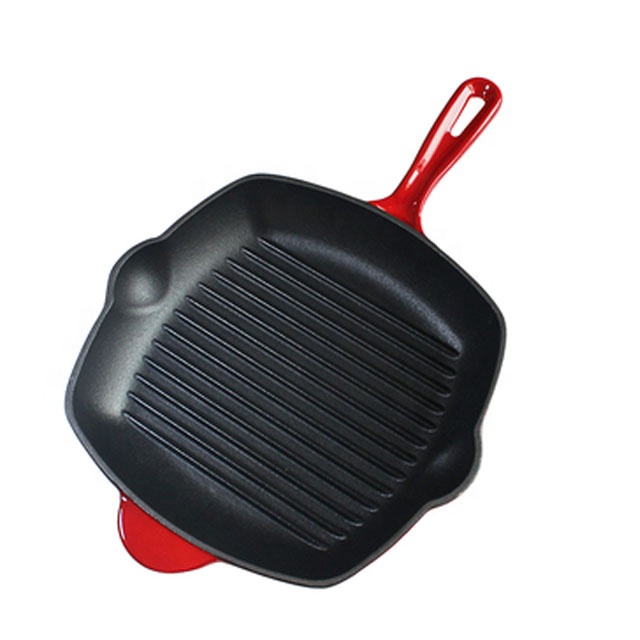
New Product With Wholesale new innovations cast iron cookware Cooking Steak Cast Iron Skillet
EXPERT GUIDANCE
Frequently Asked Questions
Everything you need to know about procurement and maintenance.
Why is cast iron preferred for traditional Ethiopian cooking?
Cast iron is ideal due to its exceptional heat retention and distribution. This allows for the slow, steady simmering required for traditional stews, ensuring the food is cooked evenly without hot spots that cause burning.
How do enamel pots and pans differ from raw cast iron in terms of use?
Enamel provides a non-reactive surface, meaning you can cook acidic foods (like tomato-based sauces) without altering the taste or damaging the pan. They also eliminate the need for seasoning and are generally easier to clean.
What should procurement managers check when sourcing an iron pan set?
Key factors include the thickness of the walls for heat stability, the quality of the surface finish (shot blasting), and the certifications for food safety and durability to ensure a long lifecycle in commercial use.
Is pre-seasoning necessary for a new cast iron frying pan set?
Yes, pre-seasoning creates a natural non-stick layer and protects the iron from rust. While Zhongdacook provides pre-seasoned products, maintaining this layer through proper care is essential for long-term performance.
How does the Ethiopian climate affect the maintenance of iron cookware?
In more humid regions, iron is more susceptible to oxidation. It is critical to dry cookware immediately after washing and apply a thin layer of oil to maintain the protective barrier.
Can Zhongdacook support large-scale supply for the hospitality sector in Ethiopia?
Yes, with a scientific management system and advanced production equipment, Zhongdacook is equipped to handle diverse requirements and high-volume orders while maintaining strict quality assurance.
CONSULT OUR EXPERTS
Optimize Your Kitchen Performance
Looking for high-durability cookware solutions for your business in Africa - Ethiopia? Our team is ready to help you select the perfect professional set for your specific culinary needs.
Discuss Your Requirements